In the quest for smooth and hairless skin, many individuals seek permanent solutions for pubic hair removal. Traditional methods such as shaving, waxing, and depilatory creams offer temporary results and often come with drawbacks such as irritation, ingrown hairs, and frequent maintenance. Laser hair removal has emerged as a revolutionary technique, promising a more lasting solution by targeting hair follicles at their roots. This advanced technology not only offers long-term benefits but also minimizes the discomfort associated with other hair removal methods.
Understanding Laser Hair Removal
Laser hair removal is a medical procedure that uses concentrated light beams to penetrate hair follicles. The pigment in the follicles absorbs the light, which effectively destroys the hair.
- Laser hair removal is commonly used for removing unwanted hair from the face, legs, arms, underarms, bikini line, and other areas.
- It specifically targets dark, coarse hairs while leaving the surrounding skin unharmed.
- Each pulse of the laser takes a fraction of a second and can treat many hairs simultaneously.
- The procedure can treat an area approximately the size of a quarter every second.
For those seeking a deeper understanding of this technique, discover expert strategies here.
Benefits of Laser Hair Removal for Pubic Hair
Long-lasting Results
Laser hair removal provides more enduring results compared to other methods. Many individuals experience a significant reduction in hair growth after three to seven sessions.
Precision and Speed
The precision of laser technology allows it to target dark and coarse hairs specifically, ensuring that the surrounding skin remains untouched. This results in a quicker and more efficient process than manual methods.
Minimal Side Effects
Compared to waxing or shaving, laser hair removal has fewer side effects. When performed by a skilled professional, the procedure is relatively safe and causes minimal discomfort.
For those considering this method, learn about our tailored solutions and how they can benefit your specific needs.
Preparing for Laser Hair Removal
Preparation is key to a successful laser hair removal session. Here are some steps to ensure the best results:
- Avoid sun exposure for several weeks before and after treatment to prevent complications.
- Refrain from waxing, plucking, or electrolysis for at least four weeks before the procedure as these methods remove the hair root, which is needed for laser targeting.
- Shave the treatment area a day or two before the session to allow the laser to easily locate the hair follicle.
For more detailed preparation guidelines, explore advanced guides and tips.
What to Expect During the Procedure
Understanding the procedure can help ease any apprehensions:
- Before the procedure, the area will be cleaned, and a numbing gel may be applied to reduce discomfort.
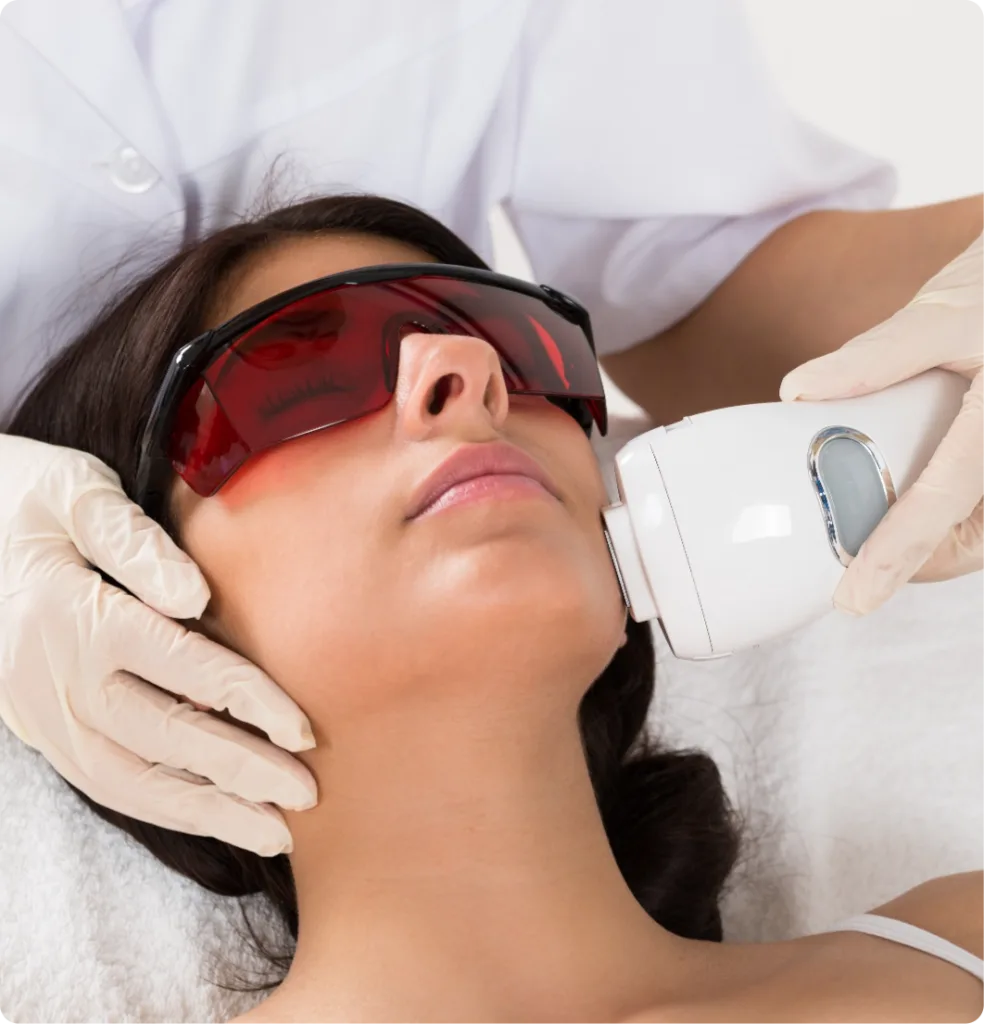
- During the procedure, both the patient and the technician will wear protective eyewear to shield their eyes from the laser light.
- The technician will adjust the laser equipment according to the color, thickness, and location of the hair being treated.
- After the procedure, ice packs or anti-inflammatory creams may be applied to ease any discomfort.
To understand the nuances of what the procedure entails, find out more about this approach.
Aftercare and Maintenance
Post-procedure care is crucial to ensure optimal results:
- Avoid sun exposure and tanning beds for at least six weeks following treatment to prevent skin discoloration.
- Use sunscreen with a high SPF to protect the treated area when outdoors.
- Moisturize the area regularly to keep the skin hydrated and promote healing.
Laser hair removal provides a promising path to achieving permanent pubic hair removal. By understanding the procedure and following the recommended guidelines, individuals can enjoy smooth, hair-free skin with minimal upkeep. For those ready to embark on this journey, explore advanced guides and tips to get started.