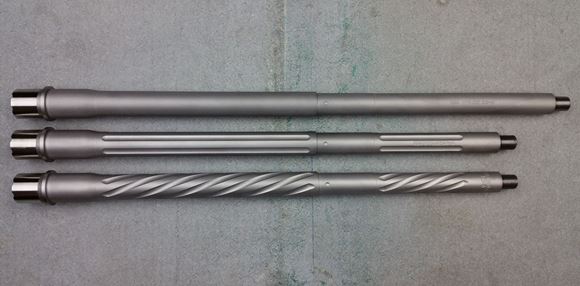
Selecting the right AR barrel for your rifle is a crucial decision that can significantly impact performance, accuracy, and overall shooting experience. With a variety of options available in the market, understanding the factors that influence your choice is essential. From material composition to barrel length and twist rate, each aspect plays a vital role in determining the barrel’s effectiveness. This guide explores the key considerations and strategies for choosing the best AR barrel to meet specific needs and preferences.
Understanding Barrel Materials
The material of the AR barrel is fundamental in defining its durability, weight, and heat resistance. Common materials include:
- Chrome Moly Vanadium (CMV): Known for its strength and heat resistance, CMV is a popular choice for many rifle barrels.
- Stainless Steel: Offers excellent corrosion resistance and precision, often preferred for target shooting and precision applications.
- Carbon Fiber: Lightweight and strong, carbon fiber barrels are favored for their ability to reduce overall rifle weight.
Learn about our tailored solutions in barrel selection and material preferences here.
Choosing the Right Barrel Length
Barrel length affects the balance, maneuverability, and ballistic performance of a rifle. Choosing the right length depends on intended use:
- Short Barrels (10.5″ – 14.5″): Ideal for close-quarters combat and tactical scenarios, offering greater maneuverability.
- Mid-Length Barrels (16″ – 18″): Provide a balance between maneuverability and ballistic performance, suitable for all-around use.
- Long Barrels (20″ and above): Optimize velocity and accuracy for long-range shooting.
Discover expert strategies for choosing the optimal barrel length here.
Twist Rate and Its Importance
The twist rate of a barrel refers to the rate at which the rifling spins the bullet as it travels through the barrel. This factor is crucial for stabilizing the bullet:
- 1:7 Twist: Suited for heavier bullets (62 grain and above), offering enhanced stability for long-range shooting.
- 1:8 Twist: A versatile option that accommodates a wide range of bullet weights, balancing between light and heavy projectiles.
- 1:9 Twist: Ideal for lighter bullets (55 grain and below), often used in sporting and varmint rifles.
Explore advanced guides and tips on selecting the appropriate twist rate here.
Considerations for Customization
Customizing your AR barrel can enhance performance and meet specific shooting requirements. Consider the following aspects:
- Barrel Profile: The contour of the barrel affects weight and heat dissipation, with profiles ranging from lightweight to heavy.
- Gas System Length: Determines cycling reliability and recoil management; options include pistol, carbine, mid-length, and rifle.
- Barrel Coating: Protects against corrosion and wear, with options like nitride, phosphate, and chrome lining.
Find out more about this approach to customization and barrel optimization here.
Choosing the best AR barrel involves a comprehensive evaluation of material, length, twist rate, and customization options. By understanding these factors, one can make informed decisions that enhance the shooting experience and ensure optimal firearm performance. Access the wealth of resources and expert guidance on AR barrels available through reputable online platforms to make the most informed choice.