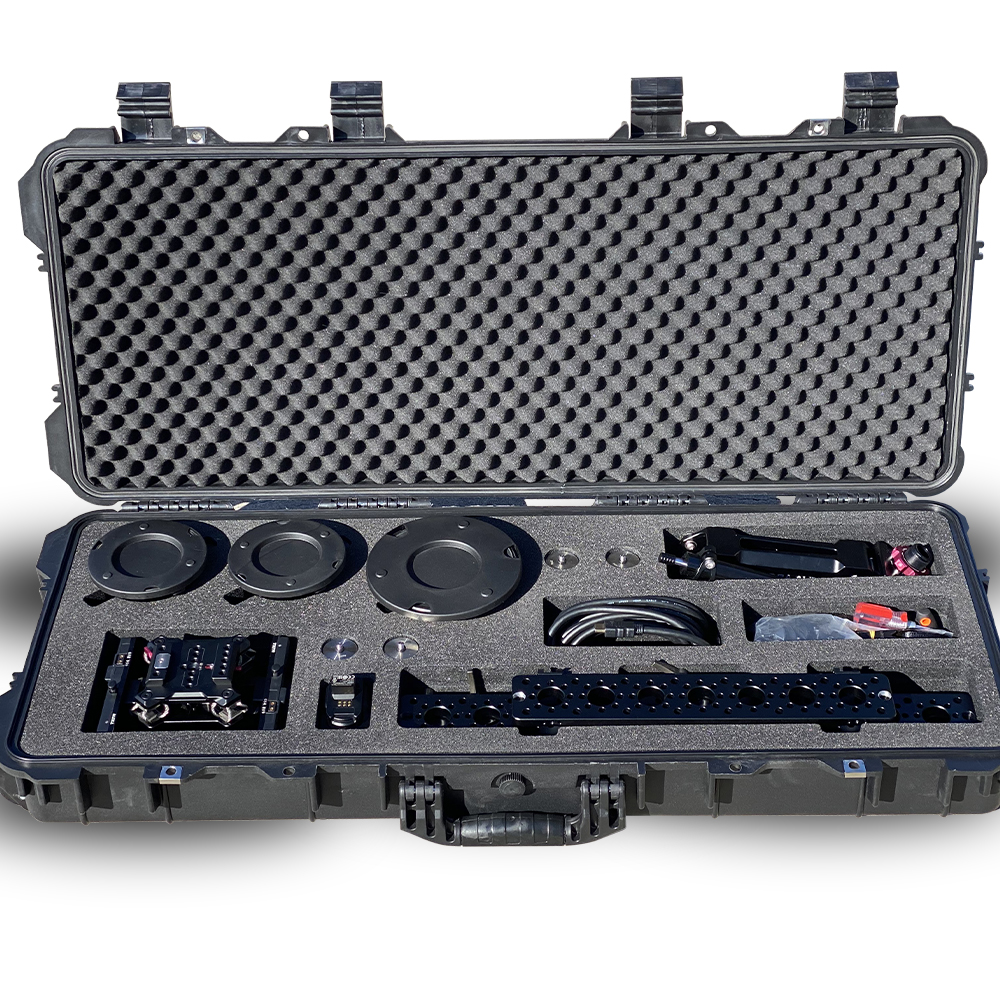
Foam cutting is an essential skill for creating custom inserts that protect and organize valuable items. Whether crafting inserts for camera equipment, tools, or delicate instruments, precision in foam cutting ensures that each item is snugly and securely stored. Mastering the art of foam cutting involves understanding the materials, tools, and techniques required to achieve professional results. This guide provides expert tips and insights into creating custom foam inserts that meet both personal and professional needs.
Understanding Foam Types
Different projects require various types of foam, each with specific characteristics and uses. The commonly used types include:
- Polyethylene Foam: Known for its durability and firm texture, ideal for heavy items.
- Polyurethane Foam: Softer and more flexible, suitable for delicate items.
- EVA Foam: Offers a balance of firmness and flexibility, perfect for general use.
Selecting the right foam type is crucial. Discover expert strategies here to choose the best foam for specific needs.
Tools and Equipment
Achieving precise cuts and smooth finishes requires the right tools. Here are essential tools for foam cutting:
- Utility Knife: A sharp blade is essential for clean cuts.
- Electric Knife: Ideal for thick or large pieces of foam.
- Hot Wire Cutter: Excellent for intricate shapes and curves.
- Ruler and Measuring Tape: Ensure accurate measurements and consistent cuts.
Utilizing the proper equipment enhances efficiency and accuracy. Learn about our tailored solutions for choosing the right tools for foam cutting.
Techniques for Precision Cutting
Measuring and Marking
Accurate measurements are the foundation of successful foam cutting. Use a ruler and measuring tape to mark the foam before cutting. This step ensures that each piece fits perfectly into its designated space.
Cutting Techniques
Different techniques are employed based on the foam type and the complexity of the shape. For straight cuts, a utility knife or an electric knife can be used. For more complex shapes, a hot wire cutter offers precision and control.
Explore advanced guides and tips on executing these techniques with precision.
Customization and Finishing
Once the foam is cut, additional steps may be needed to ensure a professional finish. Sanding edges smooths out any rough areas, and adhesive can be applied to bond foam pieces if necessary. Adding a layer of fabric or protective coating can enhance the durability and appearance of the foam insert.
Find out more about this approach to achieve a polished and professional result.
Conclusion
Creating custom foam inserts is an art that combines precision, creativity, and technical skill. By understanding the types of foam, using the right tools, and applying effective techniques, one can produce inserts that offer maximum protection and aesthetic appeal. Whether for personal projects or professional applications, mastering foam cutting opens a world of possibilities for customization and organization.