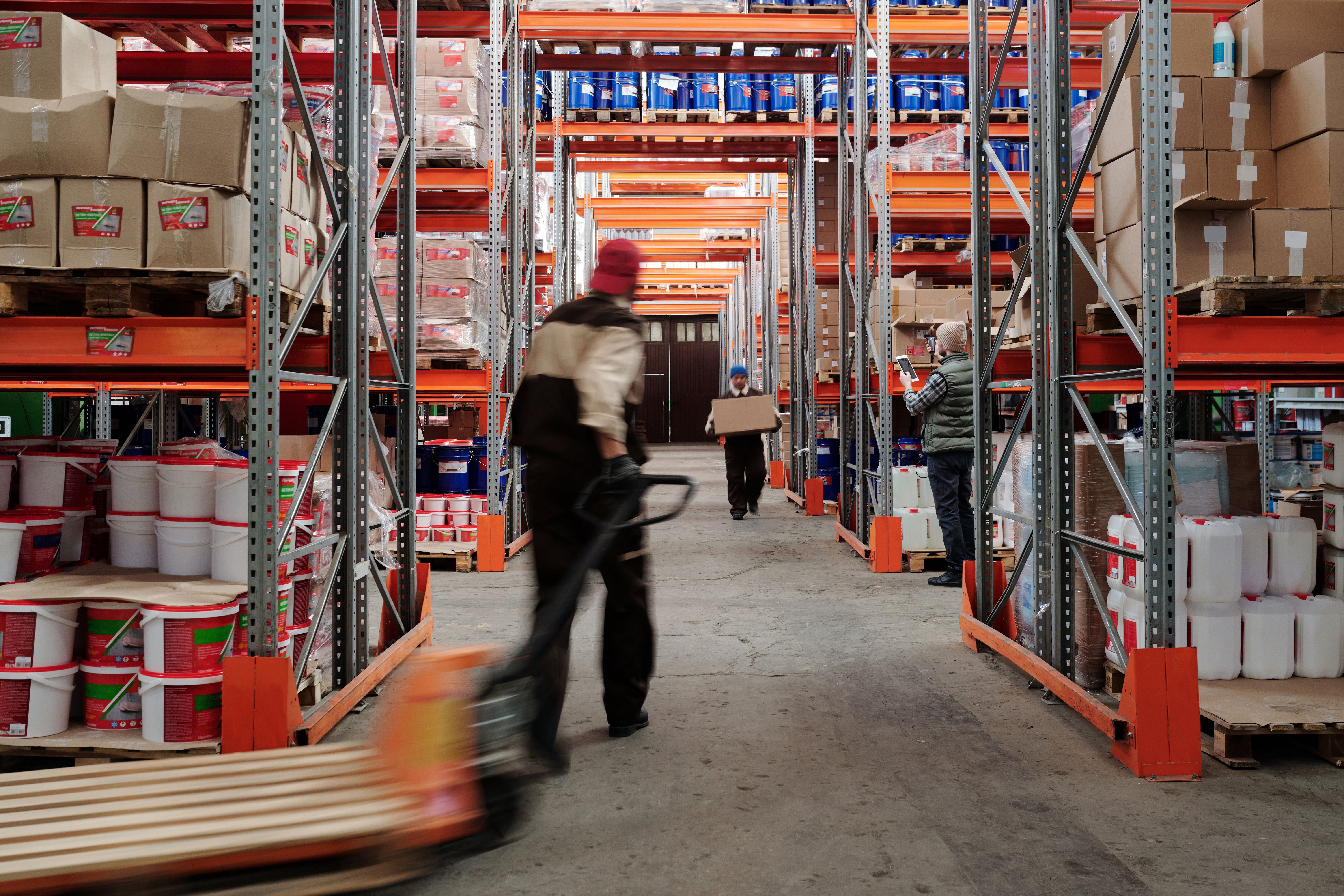
Optimizing a warehouse can significantly enhance operational efficiency, reduce costs, and improve customer satisfaction. One of the key strategies to achieve these outcomes is by utilizing storage racking systems. These systems provide an organized way to store goods, making them easily accessible and maximizing the use of available space. From pallet racking to cantilever racking, understanding the different types of storage racking and their benefits can help businesses tailor their warehouse operations to meet specific needs.
Understanding Different Types of Storage Racking
Storage racking systems come in various forms, each designed to serve specific purposes based on the types of goods stored and the warehouse layout. Here are some common types:
- Pallet Racking: Ideal for storing large quantities of goods on pallets. It offers high-density storage and is suitable for warehouses with a significant volume of inventory.
- Drive-In/Drive-Through Racking: Designed for high-density storage, this system allows forklifts to drive directly into the rack. It’s best for items that are not time-sensitive.
- Cantilever Racking: Suitable for storing long, bulky items like pipes and timber. It provides open access and is highly flexible in terms of storage length.
- Mezzanine Flooring: A great way to maximize vertical space, mezzanine floors add extra levels to a warehouse, allowing for more storage without expanding the footprint.
Benefits of Implementing Storage Racking Systems
Implementing efficient storage racking systems offers numerous advantages, including:
- Space Optimization: By efficiently utilizing vertical space, racking systems increase storage capacity without requiring additional floor space.
- Improved Accessibility: Well-organized racking systems make it easier for workers to locate and retrieve items, reducing retrieval time and improving workflow.
- Enhanced Safety: Properly installed racking systems minimize the risk of accidents by keeping the warehouse organized and reducing clutter.
- Scalability: As businesses grow, racking systems can be adjusted or expanded to accommodate increased inventory levels.
Steps to Optimize Your Warehouse with Storage Racking
Assess Your Storage Needs
Before implementing racking systems, conduct a thorough assessment of your storage needs. Consider the types of goods, their dimensions, weight, and the frequency of retrieval. Understanding these factors will help in selecting the appropriate racking system. Explore further insights here (https://www.speedrack.com.au/).
Plan Your Layout
Developing a detailed warehouse layout is crucial. This includes designing aisle widths, determining rack heights, and planning the placement of different racking systems. A well-planned layout enhances workflow efficiency and safety. Read more about this topic.
Install the Racking System
Once the layout is planned, proceed with the installation of the racking system. Ensure that the installation is carried out by qualified professionals to comply with safety standards and to maximize the durability of the racking system. Find additional information here.
Implement Inventory Management Practices
Integrating inventory management software with racking systems can streamline operations. Use barcode scanning and inventory tracking to maintain accurate stock levels and improve order fulfillment efficiency. Learn more in this detailed guide (https://www.speedrack.com.au/).
Conclusion
Optimizing a warehouse with storage racking is a strategic move that can yield significant benefits. By understanding the types of racking systems available and their respective advantages, businesses can tailor their warehouse operations to be more efficient, safe, and scalable. Whether enhancing accessibility or increasing storage capacity, the right racking system is a pivotal element in achieving a high-performance warehouse environment. Explore further insights here.