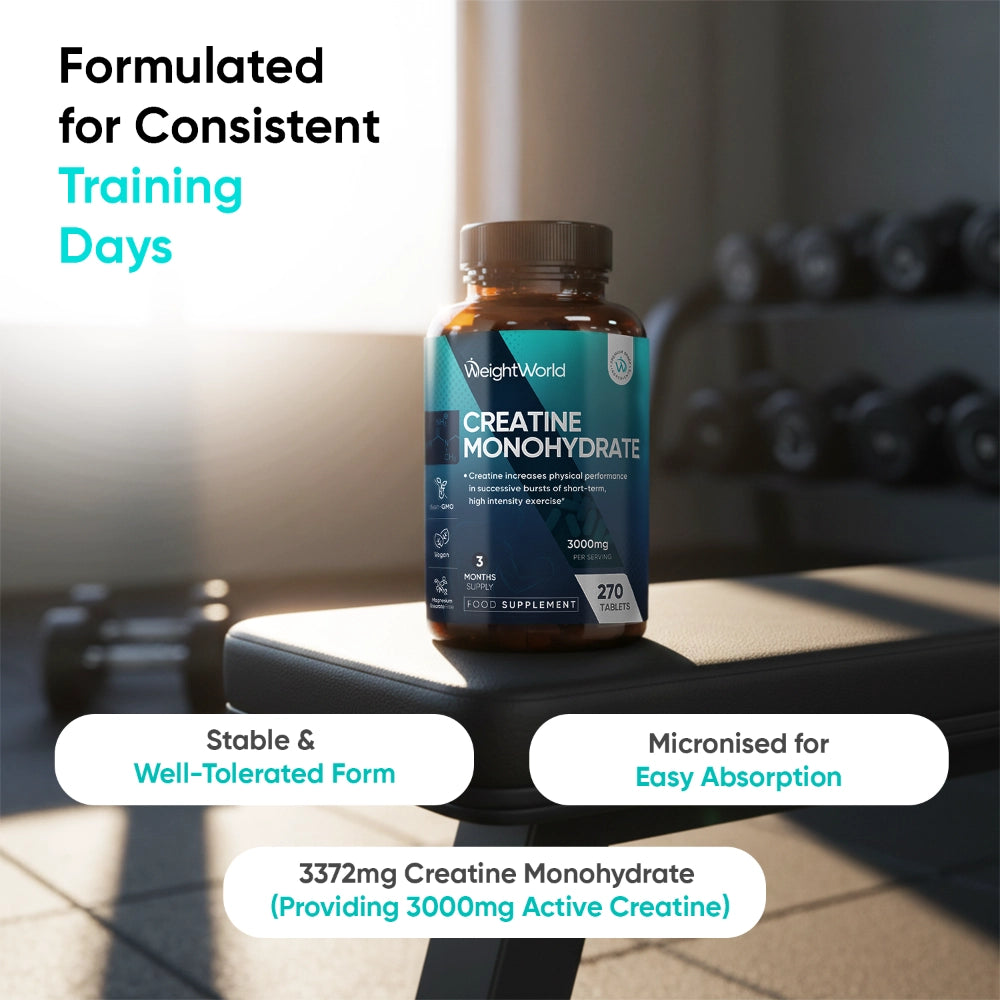
Achieving noticeable muscle growth requires more than just consistent training and a balanced diet; strategic supplementation can bridge the gap between effort and results. By selecting compounds that support protein synthesis, enhance recovery, and boost performance, athletes and fitness enthusiasts can accelerate gains while minimizing downtime. The following guide outlines the six most effective supplements, explaining how each works, optimal usage tips, and why they deserve a place in a serious muscle-building regimen.
1. Creatine Monohydrate
Creatine remains the gold standard for increasing strength and lean mass. It functions by replenishing ATP stores, the primary energy source for short, high-intensity efforts such as weightlifting.
Key Benefits
- Improves power output by 5-15% in most users.
- Supports greater training volume, leading to more muscle-stimulating stimulus.
- Promotes cellular hydration, which can enhance protein synthesis.
How to Use
- Loading phase (optional): 20″?g per day split into 4 doses for 5-7 days.
- Maintenance: 3-5″?g daily, taken with a carbohydrate-rich drink to improve absorption.
- Cycle continuously; no need for off-weeks.
2. Whey Protein Isolate
Whey protein provides a rapid, high-quality source of essential amino acids, especially leucine, which directly triggers the mTOR pathway – the central regulator of muscle protein synthesis.
Key Benefits
- Delivers 20-30″?g of protein per serving with minimal lactose.
- Fast digestion ensures amino acids reach muscles within 30-60 minutes post-workout.
- Supports recovery and reduces muscle soreness.
How to Use
- Consume 1-2 scoops (???25″?g protein) within 30 minutes after training.
- Can be mixed with water, milk, or added to smoothies for extra calories.
- On non-training days, use as a convenient protein source to meet daily macro goals.
3. Beta-Alanine
Beta-alanine raises intramuscular carnosine levels, which buffers hydrogen ions and delays fatigue during high-intensity sets.
Key Benefits
- Increases total work capacity, allowing more repetitions per set.
- Improves performance in activities lasting 1-4 minutes, such as HIIT or circuit training.
- Provides a mild tingling sensation (paresthesia) that many athletes associate with an effective dose.
How to Use
- Standard dose: 3-5″?g per day, split into smaller servings to reduce tingling.
- Consistent daily intake is required; benefits build over 2-4 weeks.
- Combine with creatine for synergistic strength gains.
4. Branched-Chain Amino Acids (BCAAs)
While whole-protein sources are preferred, BCAAs, leucine, isoleucine, and valine, can be valuable during prolonged training sessions when protein intake is delayed.
Key Benefits
- Leucine directly stimulates muscle protein synthesis.
- Helps preserve lean tissue during caloric deficits.
- May reduce perceived exertion and muscle soreness.
How to Use
- Take 5-10″?g before or during workouts, especially in fasted training.
- Choose a 2:1:1 ratio (leucine:isoleucine:valine) for optimal effect.
- Use as a supplement, not a replacement for whole-food protein.
5. Omega-3 Fish Oil
EPA and DHA, the primary omega-3 fatty acids, support muscle health by reducing inflammation, enhancing insulin sensitivity, and potentially augmenting anabolic signaling.
Key Benefits
- Accelerates recovery by dampening post-exercise inflammation.
- Improves nutrient delivery to muscles through better blood flow.
- Supports joint health, allowing higher training loads.
How to Use
- Dosage: 1-3″?g of combined EPA/DHA daily.
- Take with meals containing fat for optimal absorption.
- Prefer high-purity, molecularly distilled products to avoid contaminants.
6. Vitamin D3
Vitamin D plays a critical role in muscle function, hormone regulation, and overall recovery. Deficiency is common, especially in indoor athletes.
Key Benefits
- Enhances calcium handling, which is essential for muscle contraction.
- Supports testosterone production, indirectly influencing muscle growth.
- Improves immune function, reducing illness-related training interruptions.
How to Use
- Test serum levels; typical supplementation ranges from 2,000-5,000″?IU daily.
- Combine with magnesium and vitamin K2 for balanced mineral metabolism.
- Sun exposure can supplement dietary intake, but supplementation ensures consistency.
Putting It All Together
When selecting supplements, consider individual goals, training volume, and dietary gaps. A practical stack for most lifters might include creatine monohydrate, whey protein isolate, and omega-3 fish oil as daily staples, with beta-alanine and BCAAs added around intense sessions. Vitamin D should be monitored seasonally to maintain optimal levels.
For those seeking a comprehensive approach, exploring the best supplements for muscle growth can provide curated options that align with these evidence-based recommendations. Pairing the right nutrients with progressive overload and adequate rest creates the ideal environment for hypertrophy, ensuring that effort in the gym translates into measurable, lasting results.