In today’s health-focused market, the sheer variety of vitamins and dietary aids can feel overwhelming. Selecting the most suitable product requires more than a quick glance at a label; it involves understanding personal needs, evaluating scientific evidence, and recognizing quality standards. This guide breaks down the decision-making process into clear, actionable steps, helping anyone, from beginners to seasoned supplement users, make confident, informed choices.
Assess Your Personal Health Goals
Before exploring any product, clarify what you hope to achieve. Common objectives include:
- Filling nutritional gaps caused by dietary restrictions.
- Supporting specific systems such as immune function, joint health, or cognitive performance.
- Enhancing athletic recovery or overall energy levels.
- Addressing age-related concerns like bone density or eye health.
Identifying a primary goal narrows the field and prevents the temptation to purchase a broad “all-in-one” formula that may contain unnecessary ingredients.
Understand the Core Ingredients
Key Vitamins and Minerals
Essential nutrients are the foundation of any effective supplement regimen. Consider the following when reviewing a label:
- Vitamin D – Crucial for calcium absorption and immune health.
- Vitamin B12 – Supports nerve function and energy metabolism, especially important for vegetarians.
- Magnesium – Helps with muscle relaxation, sleep quality, and cardiovascular health.
Targeted Botanicals and Specialty Compounds
Many products incorporate plant extracts or advanced compounds. Evaluate them based on scientific backing and dosage clarity:
- Omega-3 fatty acids (EPA/DHA) – Proven benefits for heart and brain health.
- Curcumin – Anti-inflammatory properties, best absorbed when combined with piperine.
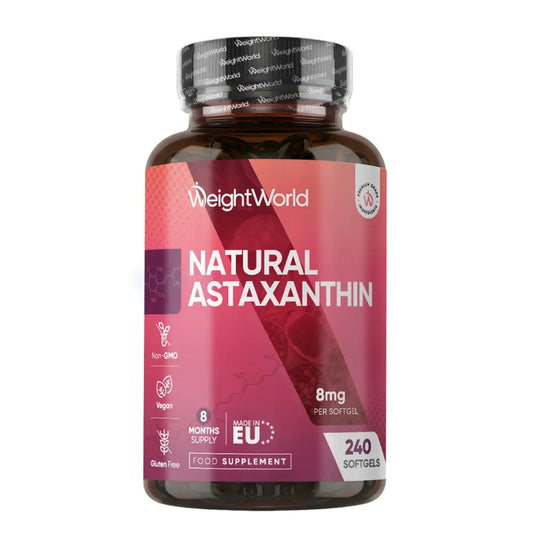
- Astaxanthin – A potent antioxidant often highlighted in premium health supplements.
Check for Quality and Safety Standards
Not all products are created equal. Look for certifications and testing practices that demonstrate a commitment to purity and potency.
- Third-party testing – Independent labs verify label claims and screen for contaminants.
- Good Manufacturing Practice (GMP) – Indicates adherence to rigorous production protocols.
- Allergen declarations – Essential for those with sensitivities to gluten, soy, dairy, or nuts.
Brands that consistently meet these criteria are often highlighted in reputable supplements uk directories, offering an additional layer of consumer confidence.
Consider Form, Dosage, and Lifestyle Compatibility
The most effective supplement is the one you can take consistently. Evaluate the following factors:
- Form factor – Capsules, tablets, powders, or liquids each have pros and cons regarding absorption and convenience.
- Dosage frequency – Once-daily formulas simplify routines, while split doses may be necessary for certain nutrients.
- Timing – Some vitamins (e.g., fat-soluble A, D, E, K) are best absorbed with meals containing healthy fats.
Read the Label Critically
A clear, transparent label is a hallmark of trustworthy products. Pay attention to:
- Ingredient list order – Ingredients are listed from highest to lowest quantity.
- Exact amounts per serving – Look for milligram (mg) or International Unit (IU) specifications rather than vague percentages.
- Additives and fillers – Minimize exposure to artificial colors, sweeteners, or unnecessary binders.
Seek Evidence-Based Recommendations
While anecdotal reviews can be helpful, prioritize information grounded in peer-reviewed research or reputable health organizations. Resources such as the National Institutes of Health (NIH) Office of Dietary Supplements provide dosage guidelines and safety alerts.
For a broader perspective, consult professionals who specialize in nutrition. Registered dietitians can tailor recommendations based on blood work, dietary habits, and medical history, ensuring that any chosen product aligns with individual health needs.
Integrate Supplements with a Balanced Diet
Supplements are intended to complement, not replace, whole foods. A nutrient-dense diet rich in fruits, vegetables, lean proteins, and healthy fats remains the cornerstone of optimal health. Use supplements strategically to bridge gaps identified through dietary analysis.
Budget and Value Considerations
Price alone does not dictate quality, but extremely low-cost options may cut corners on sourcing or testing. Compare cost per active dose rather than per bottle to gauge true value. Investing in a reputable source of vitamins and supplements often yields better long-term results and reduces the risk of ineffective or unsafe products.
Final Checklist for Choosing the Right Product
- Define a clear health objective.
- Identify essential nutrients or botanicals that address that goal.
- Verify third-party testing and GMP compliance.
- Choose a form and dosage schedule that fits daily habits.
- Read the label for precise amounts and minimal additives.
- Cross-reference with evidence-based resources or professional advice.
- Ensure the supplement works alongside a balanced diet.
- Assess cost per effective dose for sustainable use.
By following these steps, consumers can navigate the complex supplement landscape with confidence, selecting products that are safe, effective, and aligned with personal health aspirations. For those ready to explore high-quality options, reputable online retailers offering a wide range of supplements provide convenient access to vetted formulations that meet these rigorous standards.