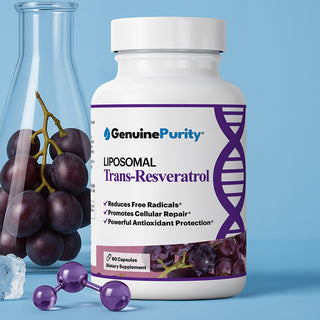
In the world of nutrition, the effectiveness of a supplement is determined not only by the quality of its ingredients but also by how well those ingredients are delivered to the body. Traditional oral supplements often face challenges such as degradation in the stomach, poor permeability across the intestinal wall, and rapid clearance from the bloodstream. Liposomal technology offers a sophisticated solution by encapsulating nutrients within phospholipid vesicles that mimic the structure of cell membranes, thereby improving stability, bioavailability, and overall efficacy. This article explores the scientific rationale behind liposomal formulas and outlines the key advantages they provide for enhanced nutrient absorption.
How Liposomal Delivery Works
Liposomal delivery systems consist of tiny spherical vesicles composed of one or more phospholipid bilayers. These vesicles encapsulate the active ingredient, protecting it from harsh gastric conditions and enzymatic breakdown. Once ingested, liposomes fuse with the mucosal cells of the gastrointestinal tract, releasing their payload directly into the cells or the bloodstream. This mechanism mirrors natural cellular processes, allowing for a more efficient transfer of nutrients.
Key Structural Features
- Phospholipid Bilayer: Provides a biocompatible barrier that is both flexible and stable.
- Encapsulation Efficiency: High loading capacity ensures a therapeutic dose is delivered.
- Size Distribution: Nano-sized particles (typically 50-200″?nm) facilitate passage through tight junctions.
Primary Benefits of Liposomal Formulas
When comparing conventional supplements to their liposomal counterparts, several distinct benefits emerge. These advantages are supported by clinical studies and in-vitro research, making liposomal technology a compelling choice for both consumers and health professionals.
1. Superior Bioavailability
Bioavailability refers to the proportion of an ingested nutrient that reaches systemic circulation in an active form. Liposomal encapsulation can increase bioavailability by up to 3-5 times compared to standard tablets or capsules. This is achieved through:
- Protection from acidic degradation in the stomach.
- Enhanced permeation across the intestinal epithelium.
- Reduced first-pass metabolism by the liver.
2. Faster Onset of Action
Because liposomes release their contents directly into cells, the time required for a nutrient to exert its physiological effect is markedly reduced. This rapid delivery is especially valuable for antioxidants, vitamins, and herbal extracts that need to counteract oxidative stress or inflammation promptly.
3. Reduced Gastrointestinal Irritation
Many high-dose vitamins (e.g., vitamin C, niacin) can cause stomach upset when taken in large amounts. The protective liposomal coating minimizes direct contact with the gastric lining, allowing higher dosages without discomfort.
4. Consistent Dosing
Liposomal products typically exhibit less variability in absorption between individuals, leading to more predictable therapeutic outcomes. This consistency is crucial for clinicians who prescribe supplements as part of a treatment regimen.
Applications Across Different Nutrient Categories
Liposomal technology is versatile and can be applied to a broad spectrum of nutrients, from vitamins and minerals to botanical extracts and amino acids. Below are some common categories that benefit from liposomal encapsulation.
Vitamins and Antioxidants
- Vitamin C: Liposomal vitamin C delivers milligram doses that are otherwise unattainable with regular powders.
- Vitamin E & Co-Q10: Fat-soluble antioxidants gain improved solubility and absorption.
Minerals
- Magnesium: Enhanced uptake reduces the laxative effect often associated with oral magnesium salts.
- Zinc: Better cellular delivery supports immune function and skin health.
Botanical Extracts
- Curcumin: Known for poor oral bioavailability, liposomal curcumin reaches therapeutic concentrations more reliably.
- Green Tea Polyphenols: Improved stability protects catechins from oxidation.
Choosing the Right Liposomal Product
When evaluating liposomal supplements, consider the following criteria to ensure quality and efficacy:
- Manufacturing Standards: Look for products produced in GMP-certified facilities.
- Encapsulation Rate: Reputable brands often disclose the percentage of active ingredient encapsulated.
- Stability Testing: Verify that the formulation remains stable throughout its shelf life.
- Third-Party Testing: Independent lab results provide transparency regarding purity and potency.
For a curated selection of high-quality options, explore the range of Liposomal Formulas that adhere to these standards.
Future Directions in Liposomal Nutrition
Research continues to expand the capabilities of liposomal delivery. Emerging trends include:
- Targeted Liposomes: Surface modifications that direct nutrients to specific tissues or organs.
- Multi-Layered Vesicles: Sequential release profiles for complex supplementation protocols.
- Hybrid Nanocarriers: Combining liposomes with polymers to further enhance stability.
These innovations promise even greater precision in nutrient therapy, aligning with the growing demand for personalized nutrition solutions.
Conclusion
Liposomal formulas represent a significant advancement in the supplement industry, addressing long-standing challenges of stability, absorption, and tolerability. By encapsulating nutrients within phospholipid vesicles, these products deliver higher bioavailability, faster therapeutic effects, and a more consistent user experience. As scientific validation continues to mount, liposomal technology is poised to become the benchmark for effective nutrient delivery, offering both consumers and practitioners a reliable pathway to optimal health.