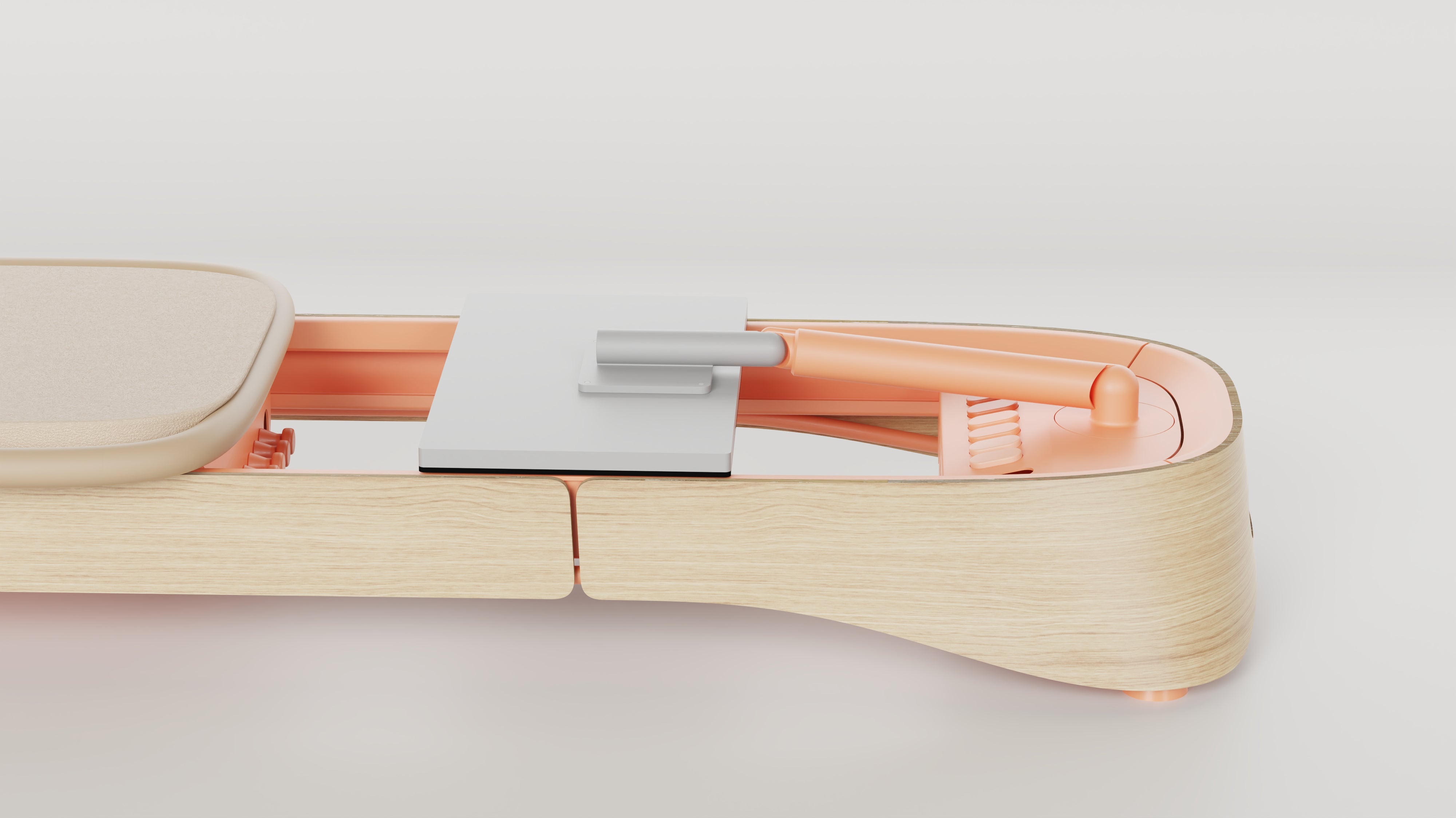
Purchasing a Pilates reformer online can feel overwhelming, especially with the sheer number of models and specifications available. A well-chosen reformer not only supports a full range of exercises but also enhances the safety, comfort, and longevity of a home studio. Understanding the key factors that differentiate a high-quality machine from a budget alternative empowers buyers to make a confident investment that aligns with their training goals and space constraints.
Core Features to Evaluate
Frame Construction and Material Quality
The frame is the backbone of any reformer. Look for:
- Heavy-duty steel or aluminum tubing with a powder-coat finish for corrosion resistance.
- Reinforced joints that prevent wobble during dynamic movements.
- Load capacity that exceeds your body weight plus any added resistance.
Carriage Design and Mobility
A smooth-gliding carriage is essential for fluid motion:
- Linear bearings or high-quality rollers that glide quietly on the rail.
- Adjustable footbars and shoulder rests to accommodate different body types.
- Locking mechanisms that secure the carriage when not in use.
Resistance System
Resistance can be spring-based, rubber, or a combination of both. Consider:
- Number of springs: more springs provide finer tension increments.
- Ability to add or replace springs for progressive training.
- Optional cable or band attachments for added versatility.
Dimensions and Space Planning
Before clicking “add to cart,” measure the intended location. A typical reformer occupies roughly 6-7 feet in length, 2-3 feet in width, and 3-4 feet in height when fully assembled. Important considerations include:
- Clearance for the carriage to travel the full range of motion.
- Space for accessories such as a box, jumpboard, or treadmill attachment.
- Ease of storage, foldable or detachable models can be a practical solution for smaller homes.
Safety Features and Ergonomics
Safety should never be an afterthought. Look for the following design elements:
- Non-slip footplates and hand grips.
- Adjustable headrests and lumbar supports.
- Emergency stop or quick-release levers for rapid carriage locking.
Warranty, Support, and After-Sales Service
A reputable manufacturer typically offers a multi-year warranty covering frame, carriage, and springs. Additional support benefits include:
- Online assembly videos and detailed manuals.
- Responsive customer service for parts replacement.
- Access to certified instructors for technique guidance.
Pricing and Value Assessment
While price is an obvious factor, value is determined by durability, feature set, and the long-term training benefits a reformer provides. A mid-range model that meets all essential criteria often outperforms a low-cost unit that requires frequent repairs. Compare:
- Initial cost versus expected lifespan.
- Included accessories (e.g., springs, footbar, box).
- Potential resale value if you upgrade later.
Integrating the Reformer into Your Routine
Choosing the right machine is only the first step; effective use maximizes the return on investment. Professional guidance can help you develop a balanced program that targets strength, flexibility, and core stability. For deeper insight into program design, Discover expert strategies here. If you are looking for personalized workout structures, Learn about our tailored solutions. For ongoing education, Explore advanced guides and tips, and when you are ready to dive into the specifics of equipment maintenance, Find out more about this approach.
Final Checklist Before Purchase
- Confirm frame material and load capacity.
- Test carriage glide (if possible) or review video demonstrations.
- Verify resistance options align with your training level.
- Measure your space and ensure adequate clearance.
- Check warranty length and after-sales support policies.
- Assess overall cost versus long-term value.
By systematically evaluating each of these aspects, buyers can confidently select a Pilates reformer that delivers professional-grade performance, durability, and adaptability. The right reformer transforms a home studio into a versatile training hub, supporting everything from beginner mat work to advanced apparatus sequences.