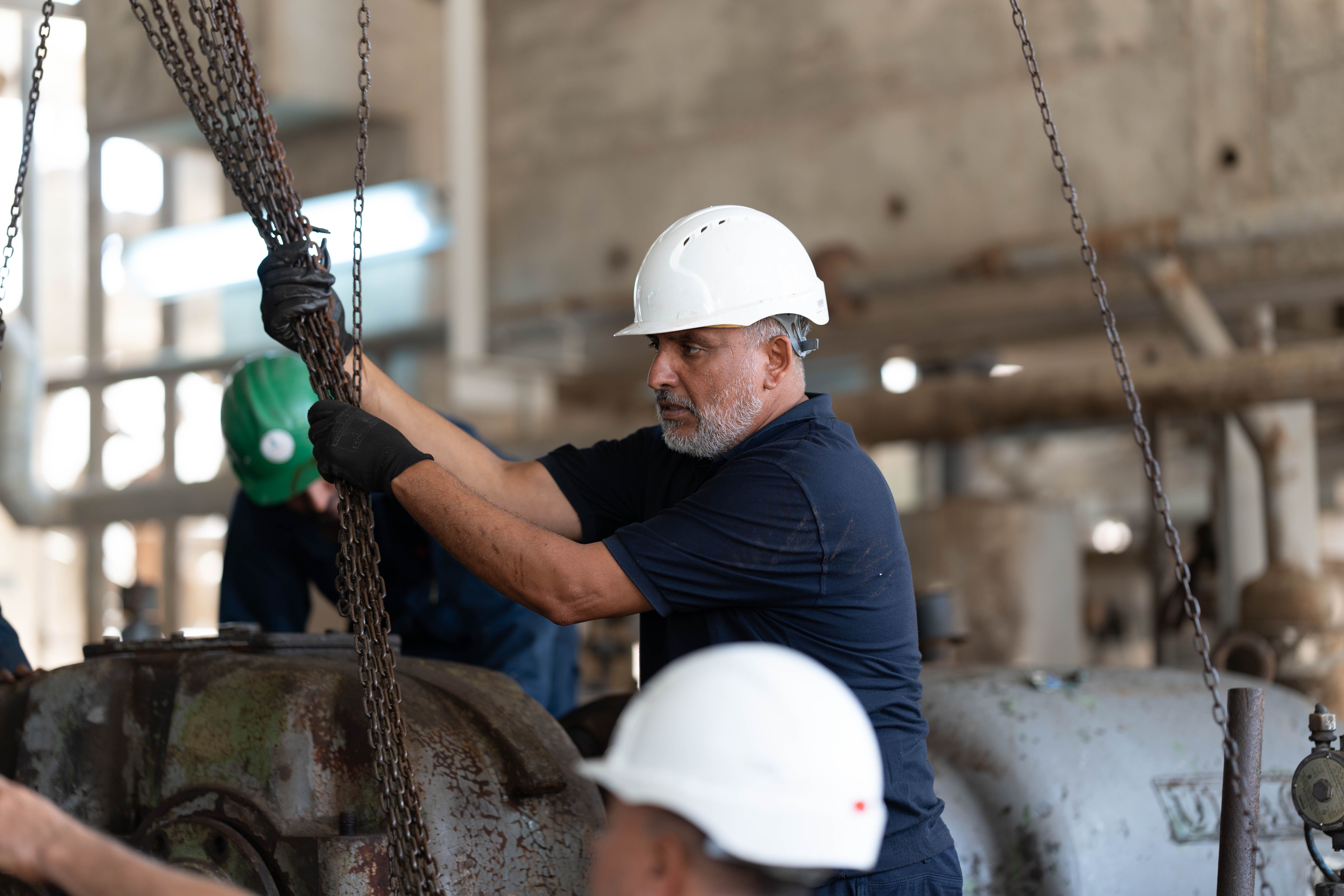
Removing a hoist from an industrial environment demands meticulous planning, thorough risk assessment, and strict adherence to occupational health standards. A certified industrial hygienist brings essential expertise to identify hazards, evaluate exposure risks, and implement control measures that protect workers and maintain regulatory compliance. This guide outlines the critical steps and best practices for safe hoist removal, emphasizing hazard identification, engineering controls, administrative procedures, and post-removal verification.
Pre-Removal Planning and Hazard Assessment
Conduct a Comprehensive Site Survey
- Document the hoist’s location, load capacity, and mounting configuration.
- Identify surrounding equipment, utilities, and structural elements that could be impacted during removal.
- Assess environmental conditions such as lighting, ventilation, and weather, especially for outdoor operations.
Engage a Certified Industrial Hygienist
Involving a certified industrial hygienist early in the project ensures that airborne contaminants, noise levels, and ergonomic risks are evaluated. Their expertise helps develop a control plan that addresses:
- Potential release of hazardous dust or fibers from insulation or structural components.
- Noise exposure from cutting, grinding, or lifting operations.
- Ergonomic strain from manual handling of tools and equipment.
Engineering Controls and Equipment Selection
Choose Appropriate Lifting Devices
- Use calibrated crane or forklift with sufficient capacity; verify load charts.
- Employ spreader bars or lifting slings that match the hoist’s attachment points.
- Inspect all rigging gear for wear, corrosion, or damage before use.
Implement Containment Measures
When removal may generate dust or debris, establish containment zones using plastic sheeting, negative-pressure vacuums, or local exhaust ventilation. This reduces worker exposure and simplifies cleanup.
Administrative Controls and Safe Work Practices
Develop a Detailed Job Safety Analysis (JSA)
- Break down the removal process into discrete steps.
- Identify hazards for each step and assign control measures.
- Allocate responsibilities to qualified personnel, including a hoist-removal specialist.
Training and Communication
- Provide task-specific training on rigging, lockout/tagout, and emergency procedures.
- Conduct a pre-task briefing to review the JSA, communication signals, and evacuation routes.
- Post clear signage indicating restricted areas and required personal protective equipment (PPE).
Execution of Hoist Removal
Lockout/Tagout (LOTO) Procedures
Before any work begins, isolate all energy sources connected to the hoist, including electrical, hydraulic, and pneumatic lines. Follow the standard hoist removal lockout protocol to prevent accidental energization.
Step-by-Step Removal Process
- Secure the hoist with the selected lifting device, ensuring balanced load distribution.
- Gradually lift the hoist while monitoring for any movement of adjacent structures.
- Disconnect electrical cables, hydraulic lines, and control wiring once the hoist is clear of its mounting.
- Place the hoist on a pre-designated staging area equipped with spill containment if needed.
- Conduct a final visual inspection of the mounting surface for damage or residual hazards.
Monitoring During Removal
- Continuously measure noise levels with a dosimeter; provide hearing protection if thresholds are exceeded.
- Use air sampling pumps to detect airborne contaminants when cutting or grinding metal components.
- Maintain a standby rescue team equipped with fall-protection gear.
Post-Removal Verification and Documentation
Inspection and Clearance
After the hoist is removed, a qualified inspector should verify that the work area is free of hazards, that all energy sources remain isolated, and that structural integrity is maintained.
Documentation Requirements
- Record the JSA outcomes, including any deviations and corrective actions.
- Log exposure monitoring results and PPE usage.
- Update equipment maintenance records to reflect the removal and any associated repairs.
Continuous Improvement
Analyze the removal project to identify lessons learned. Incorporate findings into future safety plans, training modules, and standard operating procedures to enhance overall workplace safety.
Conclusion
Safe hoist removal is a multidisciplinary effort that blends engineering controls, rigorous administrative planning, and the specialized insight of a certified industrial hygienist. By following a structured approach, starting with a thorough hazard assessment, selecting appropriate equipment, enforcing lockout/tagout, and completing detailed post-removal verification, organizations can protect workers, comply with regulations, and maintain operational continuity. Consistent application of these best practices not only mitigates immediate risks but also contributes to a culture of safety that sustains long-term industrial health and productivity.